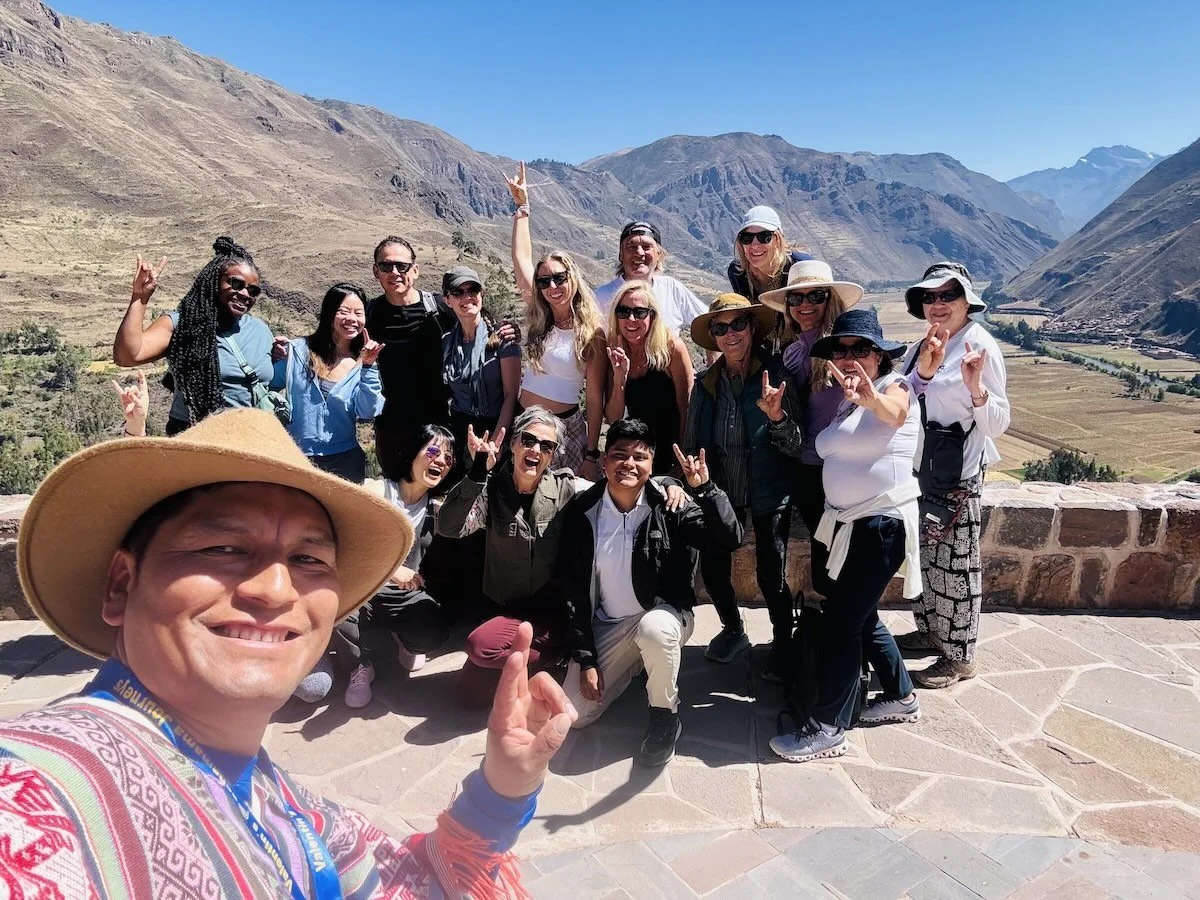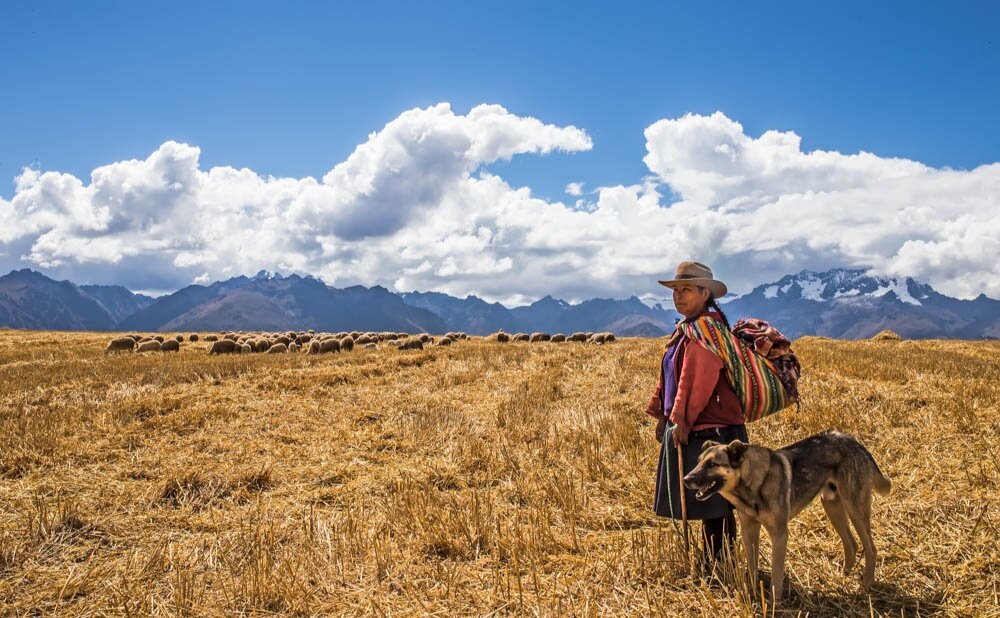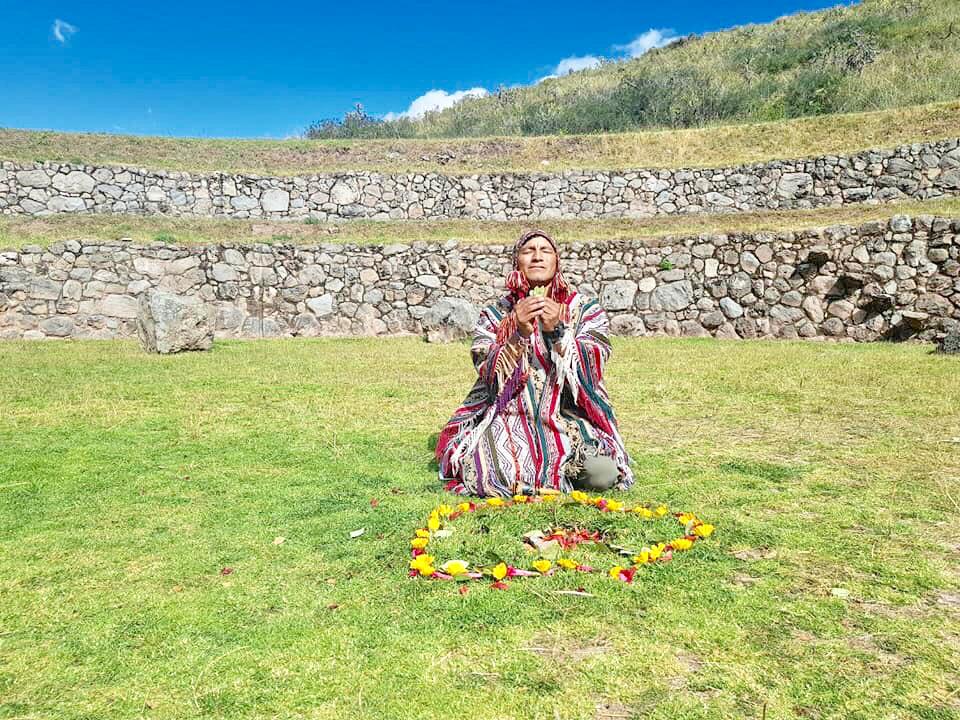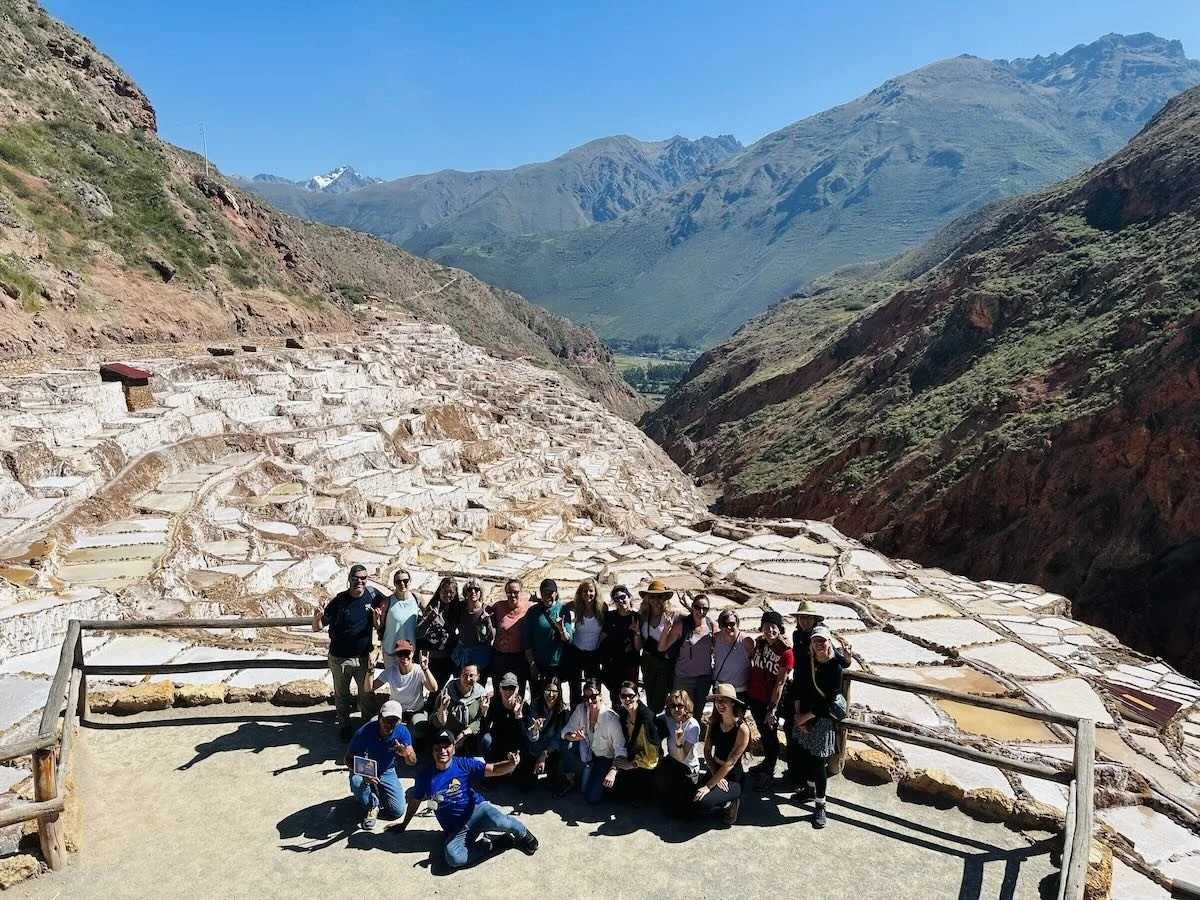

Pisac’s terraces and Inca ruins, just one Sacred Valley highlight
Sacred Valley Tours and Packages
Peru’s incredible Sacred Valley of the Incas, along the Urubamba River, offers plenty to explore. The Inca ruins of Pisac and Ollantaytambo are located at either end of the valley.
In the middle, you’ll find ancient salt mines, Inca amphitheaters, local farms, non-tourist markets, and unique cultural and culinary tours. And at the end of the valley lies the ancient Inca citadel and Wonder of the World, Machu Picchu.
These Sacred Valley trips can be combined with other tours across the region, including the Inca Trail to Machu Picchu, Cusco city tours, organic farm visits, and much more. Whatever your travel style, we’ll connect you with the beating heart of the Sacred Valley and its people.
Introduction to the Sacred Valley of Peru
Peru’s Sacred Valley is an essential part of any visit to Cusco and, indeed, to Peru. It is home to some of the best Inca ruins, with plenty of great activities and accommodation.
You can see the beautiful ruins of Pisac, Ollantaytambo, Chinchero, Moray, or the Maras Salt Mines. Or perhaps try the local maize beer—chicha—or stay on a local farm and see how the locals live.
The 100km-long Sacred Valley is generally warm during the day, making it perfect for exploring. It’s the gateway to Machu Picchu and is replete with Inca history, monuments, and mystery. The beautiful natural settings, coupled with fab food, make the Sacred Valley an unmissable destination.
How to get to the Sacred Valley
The most common entry point for the Sacred Valley is Cusco. Cusco is accessed by flights from Lima, Juliaca, Arequipa and Puerto Maldonaldo.
You can stay in Cusco or take a private transfer directly (60-90 minutes) to a hotel in the Sacred Valley. The most popular places to stay are in and around Ollantaytambo, Urubamba, and Pisac.
What to do in the Sacred Valley
What can’t you do? You can walk, raft, hike and bike. You can choose fine dining and wines, horse riding, or sleep on the side of a cliff; the list is endless.
Many activities start, visit, or end at the many Inca sites of the Sacred Valley. Here is a quick checklist:
Moray: Unusual circular Inca terraces, some up to 30m deep.
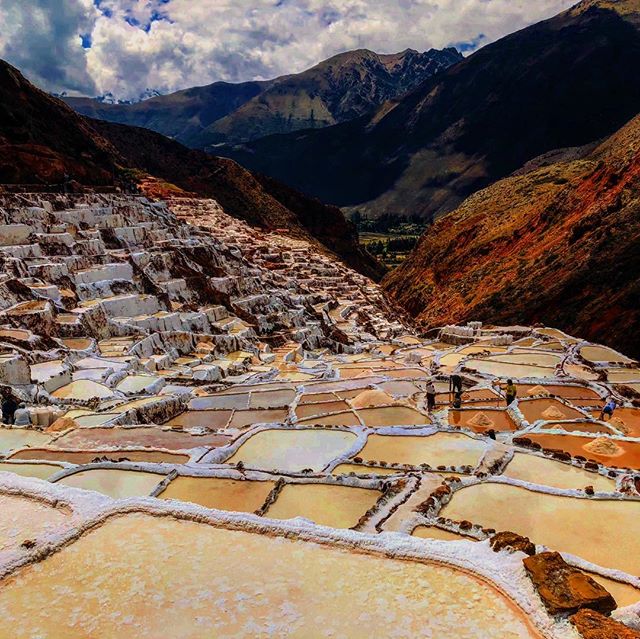
Maras Salt Mines: Traditional, pre-Inca community salt mines.
Pisac: Beautiful, carved stone Inca ruins in a small village, with a market.
Ollantaytambo: Village built and maintained in Inca style, plus incredible ruins.
Huchuy Qosqo: ‘Little Cusco’, remarkable and quite Inca royal ruins.
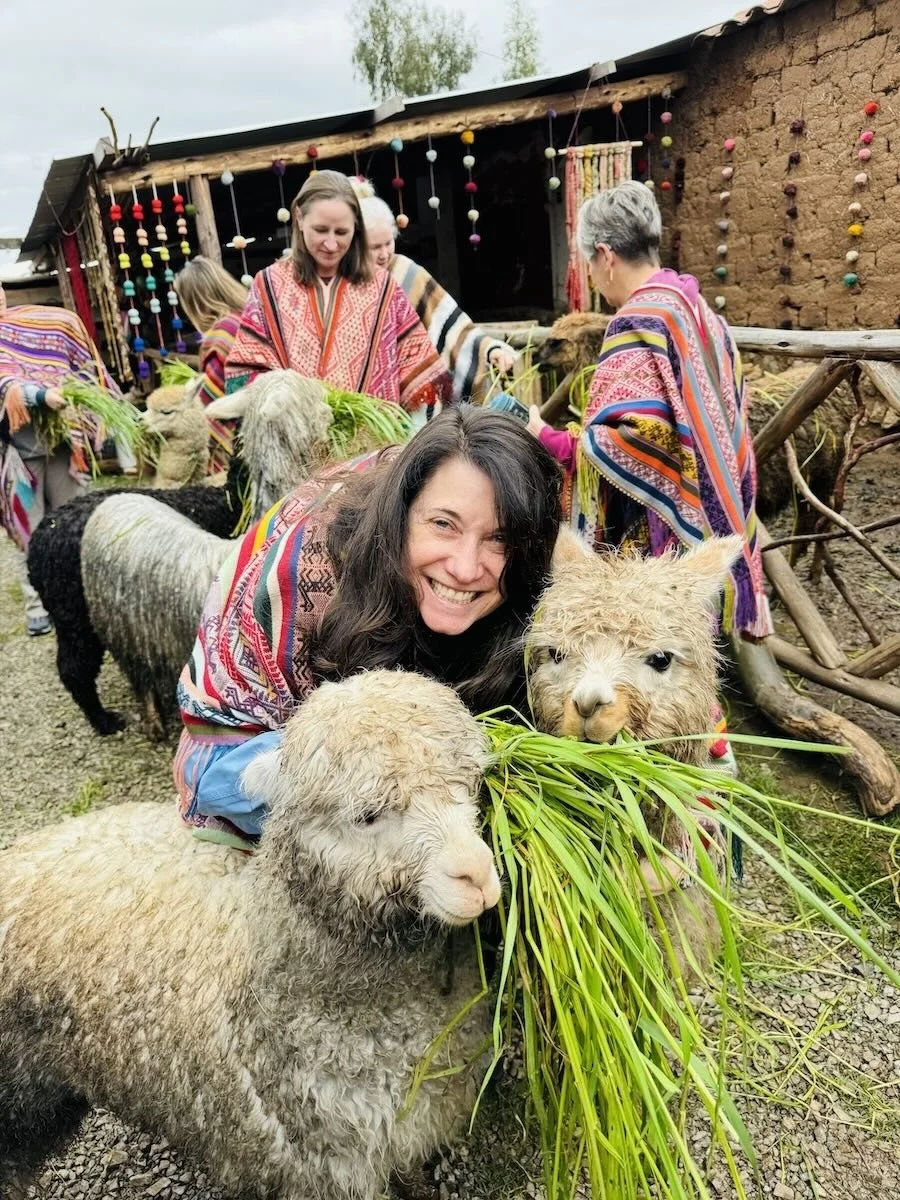
We also offer alternative tours, such as learning how to make Inca chicha beer, visiting traditional markets, and helping out on a local farm.
Homestays, some of them high in the mountains overlooking the valley, are also available.
Don’t forget to read our FAQs, covering altitude, money, and more.

Sacred Valley Day Tour
Perfect route with all the Valley’s highlights.

Visit a Social Project
Weavers, salt mines & our school social project.

Quinoa Cooking Class & Markets
Sacred Valley tour: learn how to make Quinoa soup.

Maras and Moray
Maras salt mines, Moray ruins, & Ollantaytambo.

Valley, Farm & Make Chicha
Visit markets & farms, then make your own Inca beer.

Pisac, Potatoes & Picnic
Visit a Potato Park and enjoy a Peruvian picnic.

Yoga Retreat
Mix twice-daily yoga sessions with spiritual tours.

Valley & Picchu
2-4-day tours: Cusco, Sacred Valley & Machu Picchu.
Geography of the Sacred Valley
The Sacred Valley runs east to west from Pisac to Machu Picchu, measuring 100km in length and around 1km wide. It follows the Urubamba River, which formed it.
Pisac is around 20 miles northeast of Cusco and starts at around 3,000m/9,800ft above sea level. The valley ends at 2,050m / 6,370ft on arrival at Aguas Calientes, the town at the foot of Machu Picchu.
There are many enormous mountains overlooking the valley. The two most prominent are Sahuasiray at 5,818m / 19,088ft and Veronica at 5,893m / 19,334ft.
The climate of the Sacred Valley
The summer months, from November to March, bring warmth, humidity, and often afternoon rain.
The winter months of May-September bring clear, cold nights and clear, bright days. The sun is intense, but it can feel chilly in the shade.
History of the Sacred Valley
The Sacred Valley’s fertile lands have made it a base for many civilizations.
The Chanapatas were the first known civilization to use the area around 800 BC.
From 500-900AD, the Qotacalla took up residence, and then from 900-1,400, it was home to the Killke.
The Incas arrived around 1,000 and maintained the area until the arrival of the Spanish in around 1530. It has been farmed throughout all these civilizations.